
It happens to the absolute best of us. You finally lie down after an exhausting day, pull out your phone, and tell yourself the greatest lie of the 21st century: “I’m just going to watch a couple of videos for five minutes to unwind.” Before you even realize what has happened, your room is pitch black, your eyes are burning, and the clock reads 2:00 AM. You have just sacrificed three hours of your life to a relentless, never-ending stream of 15-second clips. You feel a bizarre mix of exhaustion, guilt, and a strange emptiness. Yet, the very next night, you do it all over again.
If you think this is simply a lack of personal willpower or discipline, prepare to have your mind blown. You are not weak; you are simply outmatched. Behind the bright, colorful interfaces of TikTok, Instagram Reels, and YouTube Shorts lies a multi-billion-dollar digital infrastructure built on the darkest corners of human behavioral psychology. Today on SisAV Pro, we are ripping the curtain back to show you exactly how tech giants have legally hacked your brain—and how you can finally break the trance.
The Digital Casino in Your Pocket
To truly understand why you physically cannot put your phone down, we have to talk about Las Vegas casinos. Have you ever noticed how people can sit at a slot machine for hours, pulling a lever like zombies, totally disconnected from reality? Social media engineers certainly noticed, and they brought that exact mechanism to your home screen.
Your smartphone is essentially a digital slot machine, and the currency it deals in is dopamine. Contrary to popular belief, dopamine is not actually the "pleasure" chemical; it is the anticipation chemical. It is the evolutionary neurotransmitter that makes you seek out rewards.
When you swipe up to see the next short-form video, you have absolutely no idea what you are going to get. It could be a hilarious prank, a mind-blowing tech fact, a bizarre dance, or just a terribly boring ad. This unpredictability creates what psychologists call a Variable Ratio Reward Schedule.
- The Hit: When you land on a funny or shocking video, your brain gets a massive, sudden spike of dopamine.
- The Miss: When the next three videos are boring, your dopamine drops, creating an immediate biological craving.
- The Loop: You keep swiping, desperately chasing that next "hit."
Because the reward is entirely unpredictable, your brain becomes obsessed with the chase itself. You aren't even enjoying the 50th video you've watched; you are just desperately hunting for the feeling that the first video gave you.
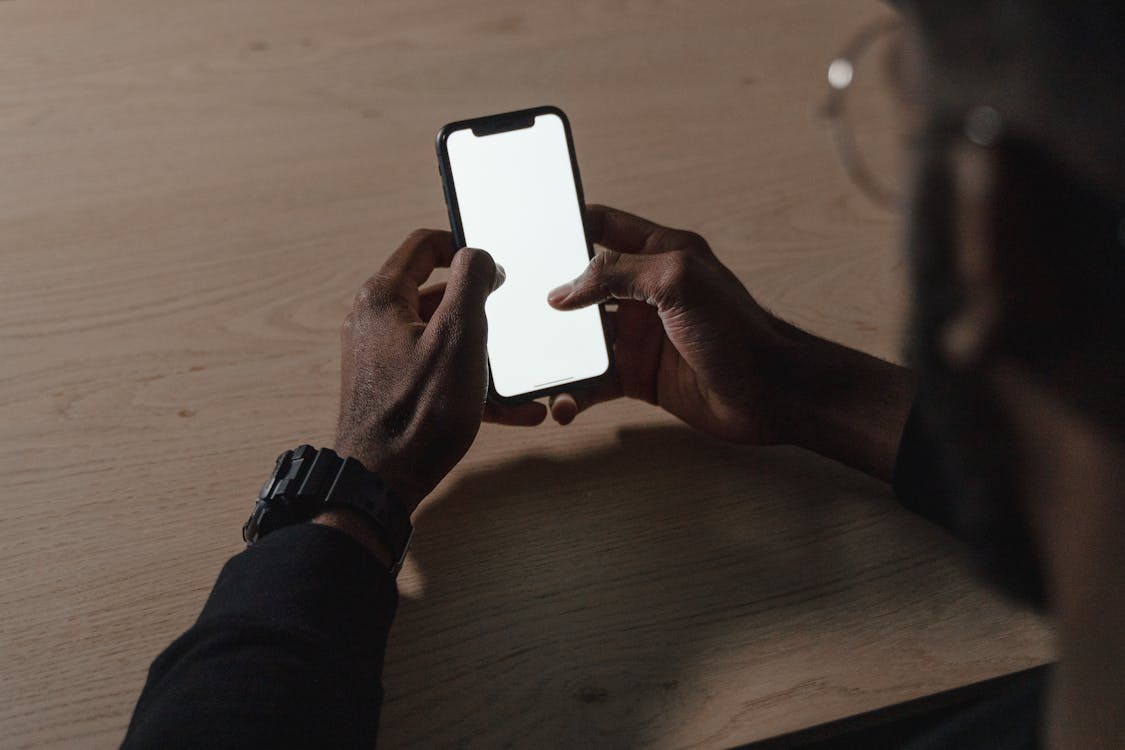
The Weaponization of the "Infinite Scroll"
Let’s travel back in time for a second. In the early days of the internet, when you reached the bottom of a web page or a forum, you had to actively click a button that said "Next Page."
That tiny, seemingly insignificant action—clicking—gave your brain a micro-second of friction. It forced you to pause and ask yourself, “Do I really want to keep reading, or should I go to sleep?” It was a natural, built-in stopping cue.
Then came the invention of the "Infinite Scroll."
Tech companies quickly realized that by removing the "Next Page" button, they removed the friction. Now, the content just loads endlessly, predicting your next move before you even make it. Your brain is never given a built-in cue to stop and reflect. You are sliding down a frictionless digital slide, and there is no bottom in sight. When you combine this infinite scroll with videos that last only 15 to 60 seconds, you are feeding your brain a continuous, uninterrupted IV drip of micro-stimulations. You don't have to choose to keep watching; you have to actively exert massive willpower to stop.
"TikTok Brain" and the Death of Directed Attention
Here is where the psychology gets genuinely alarming. This constant barrage of short-form content isn't just wasting your time; it is actively rewiring your cognitive architecture through neuroplasticity. Scientists and researchers are now referring to this widespread phenomenon as the "TikTok Brain effect."
When you watch a two-hour movie, read a long article (like this one!), or work on a complex project, you are exercising your brain's directed attention. You are training your mind to focus on one narrative thread, delaying gratification for a larger payoff at the end. Short-form videos train your brain to do the exact opposite.
The Real-World Symptoms of a Rewired Brain:
- The Attention Span Shrink: Because you are rewarded with a punchline, a jump-scare, or a climax every 15 seconds, your brain aggressively loses its tolerance for slow-building information.
- The Baseline Crash: The constant spikes in dopamine from doomscrolling eventually lead to a baseline crash. Normal, everyday activities—like reading a physical book, having a deep conversation with a friend, or simply enjoying nature—suddenly feel unbearably boring because they simply cannot deliver the same rapid-fire chemical hits.
- Memory Fragmentation: You are consuming so much random, entirely disconnected information so quickly that your brain physically does not have the time to encode it into your long-term memory. Ask yourself right now: Can you vividly remember the last five videos you just scrolled past? Probably not.

The Algorithm: Your Invisible Puppeteer
If the slot machine mechanics and the infinite scroll are the trap, the algorithm is the hyper-personalized bait. Modern algorithms are no longer just guessing what you might "like"; they are aggressively mapping out your deepest psychological vulnerabilities.
Every single micro-interaction you make is tracked, measured, and weighed:
- How many milliseconds you hovered over a video before swiping away.
- Whether you re-watched a specific 3-second loop of a clip.
- What time of day you are most likely to click on sad, angry, or comedic content.
The algorithm builds a psychological profile of you that is likely more accurate than the one your closest friends have. It knows that if you are feeling vulnerable or lonely late at night, feeding you nostalgic or slightly melancholic videos will keep you hooked infinitely longer than upbeat ones. It doesn't care about your mental health, your sleep schedule, or your goals; it cares about one metric: "Time on Screen." In the modern attention economy, your focus is the highly lucrative product being sold to advertisers.
How to Hack Your Brain Back
The good news? You are not a helpless victim in this digital matrix. Now that you understand the dark psychology at play, you can build powerful defenses against it. Here are proven, actionable ways to take back your cognitive freedom starting today:
- Reintroduce Friction: Turn off auto-play settings across all your apps. Set hard app limits on your phone's screen time settings that physically lock you out of the app after 30 minutes. Make it harder to open the app by burying it inside a folder on your third home screen.
- The Greyscale Hack: Go into your smartphone's accessibility settings and turn your screen completely black and white. The vibrant, high-contrast neon colors of short-form videos are explicitly designed to trigger dopamine. Removing the color makes the digital slot machine instantly less appealing to your primal lizard brain.
- The 20-Second Rule: When you feel the overwhelming urge to open a short-video app, force yourself to wait just 20 seconds. Take three deep breaths. More often than not, the impulsive craving will pass once you insert a tiny moment of mindfulness between the trigger and the action.
- Embrace the "Boring": You have to actively retrain your brain to enjoy slow dopamine. Read a physical book, go for a 20-minute walk without your headphones, or just sit quietly. Let your brain heal from the constant overstimulation.
Reclaiming Your Reality
The uncomfortable truth is that tech companies have brilliantly weaponized our basic human biology against us. They have taken our natural, evolutionary desire for novelty, information, and social connection, and twisted it into an infinite loop of empty scrolling.
But awareness is the ultimate antidote. You now know the secrets of the digital slot machine. The next time you find yourself endlessly swiping into the dark void at 2 AM, remember exactly what is happening behind the glowing glass screen. You have the absolute power to stop the scroll, put the device down, and step back out into the real world.
What do you think? Have you noticed your own attention span shrinking lately? Have you successfully tried taking a break from short-form videos? Drop a comment below and share your experience with the SisAV Pro community—and please, share this article with that one friend who is always sending you TikToks at 3 AM! They need to read this.


0 Comments